By Sam Rutka, Lead Aquarist, Seacoast Science Center
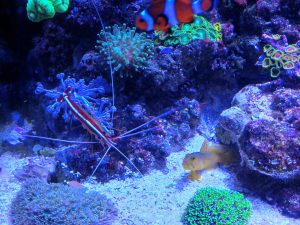
Creating a vibrant aquarium is a deeply rewarding pursuit, whether you’re drawn to the tranquility of freshwater habitats or the stunning beauty of saltwater reefs. This guide merges essential steps for setting up both types of aquariums, offering a one-stop resource for aquarists of all experience levels.
Whether cultivating a freshwater community or a saltwater reef, aquariums require dedication, budgeting, and above all, patience. With thoughtful planning, consistent care, and a willingness to learn, you’ll craft an underwater world brimming with life and beauty. Enjoy the process, and remember: all aquatic life deserves a safe, healthy environment.
Step 1: Research, Planning, and Preparation
Buying fish isn’t a casual shopping spree—it’s an audition for the healthiest, happiest, new tank stars. Choose stores that source responsibly and quarantine their stock before selling. Healthy fish now means fewer surprises later (like explaining why one is swimming upside down).
Pick a sturdy, level spot for your tank—water weighs 8.34 pounds per gallon, so your old side table might not cut it. Keep it away from sunlight, drafts, and wild temperature swings, and make sure it’s easy to reach for servicing, with plenty of headspace above the tank for maneuvering hardscape and cleaning implements.

When choosing a tank, size does matter! For freshwater beginners, 20 gallons or more helps keep the ecosystem stable. For saltwater, aim for at least 40 gallons—your reef needs space to shine. You’ll thank yourself during salinity checks; after all, the solution to pollution is dilution.
Lastly, gear up. Filters, heaters, and lights aren’t just extras—they’re survival essentials. Think of it as the ultimate starter kit for your underwater masterpiece.
For Freshwater Aquariums:
- Aquarium with sturdy stand
- Substrate (sand or soil preferred as there are some species that cannot live with gravel)
- Filtration system (hang-on-back, canister, sponge, or sump)
- Heater and thermometer
- Lighting with a timer
- Water conditioner and freshwater test kit
- Hardscape (rocks, driftwood) and softscape (plants)
For Saltwater Aquariums:
- Aquarium with sturdy stand
- Heater (3-5 watts per gallon) and thermometer
- Filtration (sump preferred, HOB or canister as alternatives)
- Live rock and substrate (~1 pound per gallon of each)
- Reverse osmosis (RO) water
- Salt mix and salometer
- Protein skimmer, reef lighting, and powerheads
Step 2: Setting Up the Aquarium
For a freshwater tank, start by thoroughly rinsing your chosen substrate to remove any dust or debris—though aquarium soil should not be rinsed as it will all end up going down the drain. Once the substrate is in, arrange your hardscape décor and install any equipment, ensuring everything is securely in place. When filling the tank, use dechlorinated water and pour it gently onto a plate or similar surface to avoid clouding the water. Finally, cycle the tank by priming the filter, adding beneficial bacteria, and carefully monitoring water parameters until ammonia, nitrate, and nitrite levels reach zero before adding any animals.
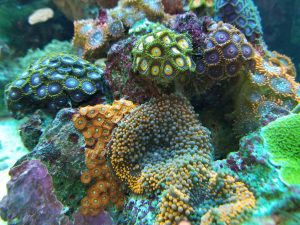
To set up a saltwater tank, begin by positioning the live rock to ensure both stability and visual appeal, then add the substrate around its base. From there, install the essential equipment and prepare the saltwater using RO water and reef salt, ensuring the salinity remains between 1.022 and 1.026 specific gravity (or ~31- 35 ppt)—because fish prefer their oceans seasoned just right. Introduce nitrifying bacteria and carefully monitor ammonia, nitrite, and nitrate levels until they reach zero. Be patient, as the cycling process can take several weeks or even months depending on the ratio of “dry-rock” to “live-rock.”
Step 3: Introducing Fish and Plants or Corals
The best practice when deciding on animals for your aquarium is to start by researching and selecting fish species that are compatible in terms of size, temperament, and water requirements. When introducing fish to the tank, acclimate them by floating the bag, or a Tupperware or bucket, in the water for about 10 minutes, gradually adding small amounts of tank water for roughly a 30-minute period before gently releasing them. Saltwater aquariums should start with a clean-up crew of hardy invertebrates, such as snails and hermit crabs, to help with algae and other organic debris. Gradually add fish and corals, carefully selecting compatible species and introducing them slowly to maintain tank stability as your reef habitat grows.
Step 4: Maintenance and Care
Regular water testing is the backbone of a thriving aquatic ecosystem—and it keeps you from being the not so proud owner of an underwater disaster. Routine water changes of approximately 10 to 35 percent are a must for indoor aquariums, unless it rains inside, at which point you have other concerns that need addressing. For saltwater setups, use RO water during top-offs to replace evaporation and keep salinity from going rogue. When it comes to feeding, less is more—offer portions your fish can scarf down in 2–3 minutes; because after all, what you put in, must come out. Saltwater tanks often call for a bit more culinary flair, so a mix of frozen mysis shrimp and snacks for corals will be welcomed with open mouths. Finally, keep an eye on your tank residents like a nosy neighbor—stress, disease, or aggression are red flags that need quick attention. Remember, a harmonious tank is a happy tank.
About the Author

Sam Rutka, Lead Aquarist at the Seacoast Science Center in Rye, New Hampshire, has a lifelong passion for fishkeeping and aquascaping. He has competed nationally and internationally, consistently placing in the top five, and is known for creating habitats featured in children’s museums, public aquariums, and private spaces across New England. His work, including his tanks and habitats, has been showcased on the cover of a leading aquarium magazine.
