
New Hampshire is renowned for its breathtaking landscapes, offering many outdoor activities across its State Parks. Among these natural gems is Odiorne Point State Park, a coastal haven known for its diverse ecosystems and recreational opportunities. With increasing human activity, the importance of practicing responsible recreation has never been more crucial. This article explores the principles of responsible recreation using Odiorne Point State Park as a prime example.
Understanding Responsible Recreation
Responsible recreation involves enjoying outdoor activities while minimizing negative impacts on the environment and respecting wildlife and other park visitors. This practice ensures that natural resources are preserved for future generations. It encompasses principles such as Leave No Trace, respecting wildlife, staying on designated trails, and adhering to park regulations.
Odiorne Point State Park: A Natural Treasure

Located along New Hampshire’s scenic seacoast, Odiorne Point State Park spans over 135 acres. It boasts a rich tapestry of habitats, including rocky shores, salt marshes, freshwater ponds, and woodlands. This diversity makes it a haven for birdwatchers, hikers, and nature enthusiasts. The Park also houses the Seacoast Science Center, which provides recreational opportunities and educational programs about marine life and conservation.
Practicing Responsible Recreation at Odiorne Point
- Leave No Trace: Visitors to Odiorne Point are encouraged to adhere to the Leave No Trace principles. This includes packing out all trash, respecting other visitors, and leaving rocks, plants, shells, and other natural objects you see where you found them. Find something cool? Take a picture to remember it forever! Other options include, carrying reusable bottles and lunch containers to help reduce waste, maintaining the Park’s pristine condition.
- Respecting Wildlife: With its diverse ecosystems, Odiorne Point supports a wide range of wildlife. Observing animals from a distance, and not feeding them, is crucial for their health and safety. Feeding wildlife can disrupt their natural behaviors and make them dependent on human food.

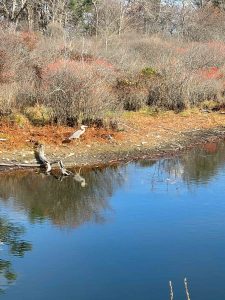
Visitors are often treated to views of wildlife that also visit the Park. This Great Blue Heron was spotted taking a break at the Park’s freshwater pond. When viewing wildlife, always be respectful and observe from a distance.
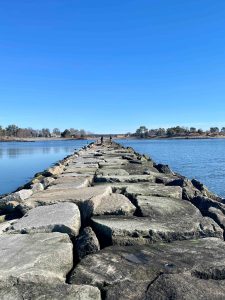
- Staying on Designated Trails: The Park offers many trails for hiking and exploration, including an easy one-mile walk from the Seacoast Science Center to the beach area beyond the Frost Point jetty which overlooks Little Harbor. Staying on visible paths prevents damage to sensitive habitats and reduces erosion. It also ensures that visitors do not inadvertently disturb nesting sites or fragile plant life. It is also important to follow directions on any signs or turn around when you come to any natural material being used to close off trails. These designate conservation areas and work being done within the Park to reestablish habitats.
- Adhering to Park Regulations: Odiorne Point State Park, like all state parks, has specific rules to ensure the safety and enjoyment of all visitors. While a full list of rules can be found on the Park’s web page, some important ones to note include, no fires, no drones, no metal detecting, and no pets. Many rules have been established to protect the Parks ecosystems, preserve its cultural history, and ensure wildlife is not disrupted.
The Role of Education in Promoting Responsible Recreation
Education is a powerful tool in promoting responsible recreation. Seacoast Science Center plays a vital role in this endeavor by providing interactive exhibits and programs that highlight the importance of conservation and sustainable practices. By increasing awareness, the Center helps foster a culture of stewardship among visitors.
Conclusion
Odiorne Point State Park exemplifies the beauty and diversity of New Hampshire’s natural landscapes. By practicing responsible recreation, visitors can enjoy the Park’s offerings while ensuring its preservation for future generations. Whether it is through following Leave No Trace principles, respecting wildlife, or participating in educational programs, each visitor plays a part in protecting this cherished natural area. Let’s commit to enjoying the outdoors responsibly and inspire others to do the same.
