
By Sam Rutka, Seacoast Science Center Lead Aquarist
Touch tanks are more than just a crowd-pleasing way to get your sleeves wet—they encompass educational enrichment, conservation advocacy, and an unparalleled emotional connection to the sea. Here at Seacoast Science Center, our touch tank is like a backstage pass to the underwater world, turning everyday visitors into enthusiastic marine explorers.
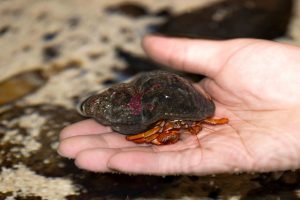
Whether it’s a kid’s first unforgettable encounter with a sea star, or an aspiring scientist observing a hermit crab with the intensity of a detective solving a mystery, these moments spark curiosity and inspire deeper dives into the whimsical world of marine science. The physical engagement isn’t merely fun—it helps the mind build fond memories of what they learn, through a full sensory experience. We often see wide-eyed children transform into passionate inquisitive learners, bombarding us with questions and vowing to become the next Jacques Cousteau—after snack time.
On a visceral level, touch tanks offer an unmatched sensory experience that fosters empathy and respect for marine life. The sheer delight of feeling the velvety glide of a snail, or the spiny resilience of a sea urchin, provides a tangible connection to species otherwise relegated to the pages of biology textbooks. These moments of tactile wonder often result in a deep appreciation for marine biodiversity, though they may also prompt the occasional startled shriek—an entirely natural response when an unsuspecting hand meets an overly enthusiastic shrimp.
Animal welfare is prioritized by our dedicated aquarists who ensure the health and well-being of all our creatures here at SSC through careful monitoring, proper nutrition, and regular health assessments. We adhere to strict handling protocols and practices to minimize stress on the animals, while our knowledgeable naturalists and volunteers provide engaging, informative interactions that leave long lasting impressions. When properly managed, a touch tank can provide a meaningful bridge between humans and the marine world, one wet and slightly slimy touch at a time.
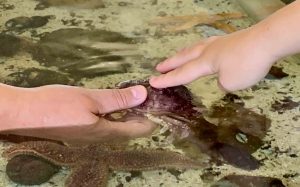
Touch tanks serve as potent tools for marine conservation outreach. We are incredibly lucky to have such a diverse and bountiful array of marine species right in our backyard, thanks to the rich ecosystems in the Gulf of Maine. These close encounters of the “salty kind” foster a sense of stewardship, appreciation, and help to develop a vested interest that inspires visitors to make more environmentally conscious choices in their everyday lives.

